
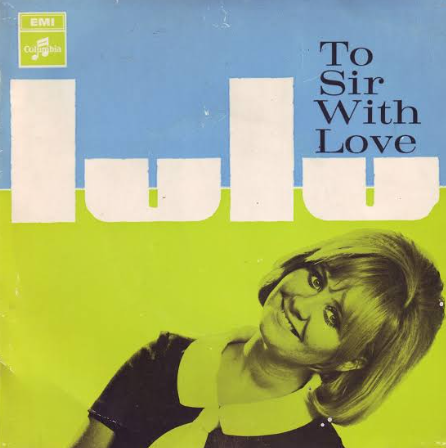
When “To Sir With Love” debuted in 1967 as the theme for the
film of the same name, no one could have predicted just how universally adored
the song would become.
What started as a soundtrack contribution turned into a
monumental hit that fused cinema and pop, uniting audiences on both sides of
the Atlantic.
While Lulu had already made waves in the UK, this was the
moment she truly conquered America.
The track soared to No. 1 on the Billboard Hot 100 and
remained there for five consecutive weeks, ultimately becoming the
highest-selling U.S. single of the year—a staggering feat, especially for a
song that never received a standalone release in the UK.
Born Marie McDonald McLaughlin Lawrie in Glasgow, Lulu was
just a teenager when her powerhouse vocals caught the public’s attention.
Her fiery energy and commanding stage presence earned her
the nickname “Lulu the Pocket Dynamo.”
Her 1964 rendition of “Shout” by the Isley Brothers turned
her into a British pop sensation.
Yet even with that success, she sought a track that would
allow her to grow artistically.
“To Sir With Love” provided that opportunity, showcasing a
maturity and emotional subtlety that broadened her appeal and redefined her
career.
Crafted by composer Mark London and lyricist Don Black, “To
Sir With Love” was written for the film’s closing moments.
The movie, starring Sidney Poitier as a compassionate
teacher in a tough London school, tackled race, education, and social
transformation.
The song served as a heartfelt farewell—an ode of thanks
from students to their mentor.
Its lyrics expressed a quiet reverence and deep appreciation
that mirrored the film’s emotional climax.
With Lulu also cast in the film, her performance of the
track felt organically tied to the story, giving it both narrative weight and
emotional authenticity.
Producer Mickie Most, renowned for his work with Donovan and
The Animals, ensured that the song’s arrangement stayed restrained to highlight
Lulu’s vocal delivery.
The instrumentation was soft and lush, allowing the focus to
remain on her expressive interpretation.
Lulu’s performance gradually built from a delicate whisper
to a sweeping climax, carrying an honesty that was both accessible and
affecting.
There was no need for grand gestures; the emotional clarity
in her voice was more than enough to move listeners across the globe.
Upon release in the U.S., the track gained rapid momentum,
helped by the film’s resonance and the enduring appeal of the British Invasion.
By late October, it had unseated “The Letter” by The Box
Tops and dominated the charts through Thanksgiving.



0 Nhận xét